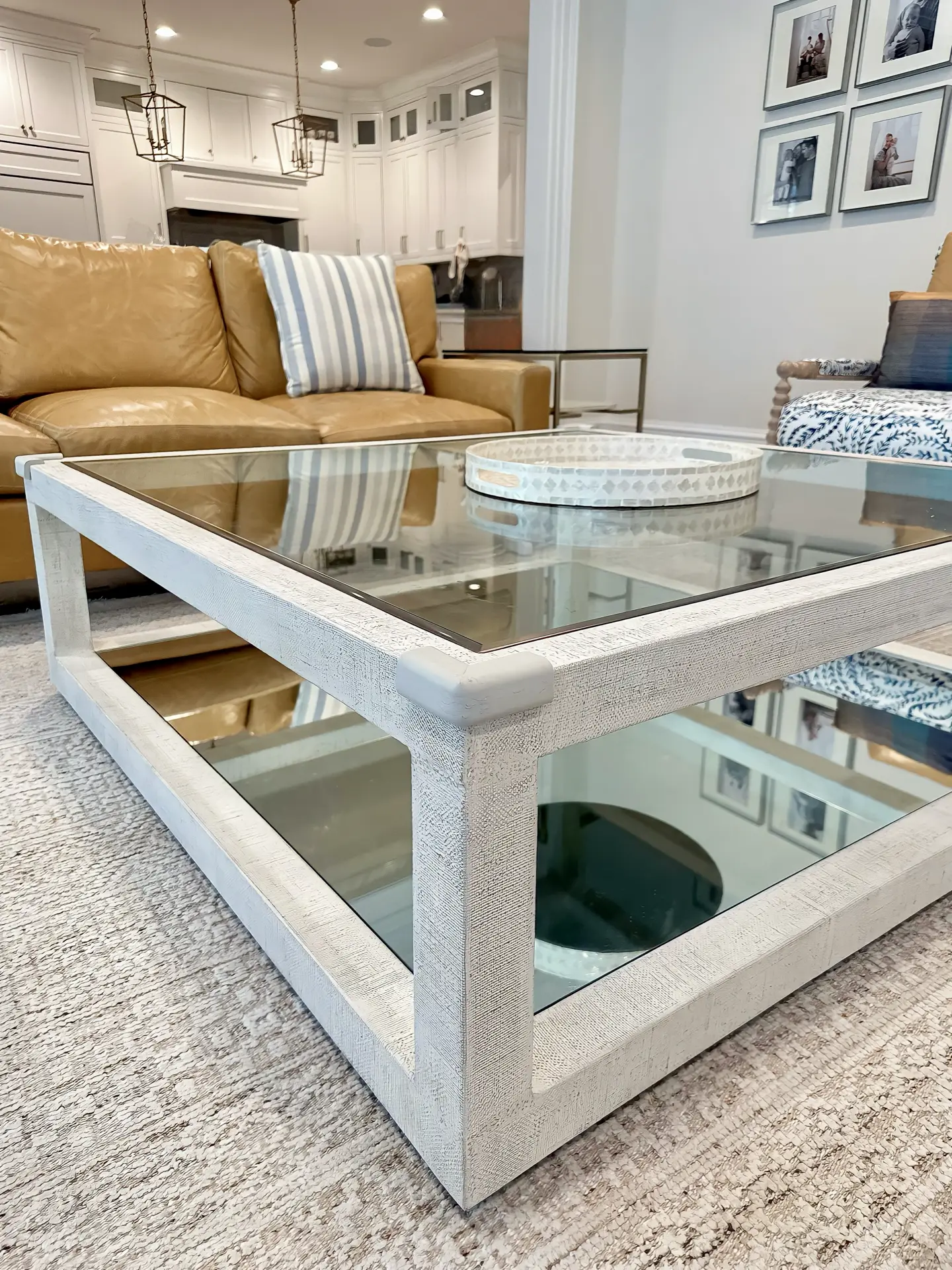

Modern parenting already comes with enough noise—advice, products, opinions, all competing for attention. It makes sense that parents want solutions that are fast, simple, and don’t make their homes feel like a daycare.
But when it comes to child proofing, “quick and easy” usually creates more problems than it solves.
The goal isn’t to fill your home with obvious safety products. It’s to create an environment where your child can move safely—and where you can still recognize your own space. That balance is where most baby proofing approaches fall apart. They either overcorrect and take over the home, or they rely on temporary fixes that don’t actually hold up.
Why Traditional Baby Proofing Falls Short
Most baby proofing products are designed to stand out, not blend in. They tend to be bulky, visually disruptive, and often temporary in a way that doesn’t hold up over time. What looks like a simple fix on a product page rarely translates cleanly into a real home with real constraints, which is where frustration typically begins.
In practice, parents end up adjusting, replacing, or working around these solutions far more than expected. That’s usually a sign that the approach—not just the product—is off.
A Practical Approach to Baby Proofing
Effective, modern baby proofing is less about the products themselves and more about how those solutions are applied. A well-considered approach takes into account how your home actually functions, uses durable and properly installed solutions, and prioritizes long-term usability over quick fixes.
This is where real-world experience matters. After working across a wide range of homes, patterns become clear—what consistently works, what tends to fail, and where small decisions make a big difference over time. Those distinctions don’t show up in standard checklists, but they have a direct impact on how well a space actually functions once it’s been child proofed.
Design-Friendly Child Proofing
Child proofing doesn’t need to compete with your home—it should integrate into it. Modern baby proofing focuses on solutions that are visually minimal, appropriate for the space, and reliable over time. In practice, that often means using discreet anchoring methods, low-profile safety features, and materials that don’t visually dominate a room. The goal isn’t to eliminate every possible risk—that’s not realistic—but to reduce it in a way that allows your home to function normally.
What This Looks Like in Practice
When safety and design are considered together, the result is a home that remains usable and comfortable without constant adjustment. Safety solutions don’t need to be replaced every few months, and you’re not layering temporary fixes on top of one another. Instead, child proofing becomes part of how the home works, rather than something added on after the fact. You’re not thinking about it constantly, which is ultimately the point.
A Smarter Standard for Baby Proofing
The idea that child proofing should be temporary, highly visible, and slightly inconvenient is outdated. A more effective standard respects your space, supports your daily routines, and holds up as your child grows.
Most “easy” baby proofing solutions don’t stay easy for long. A better approach is one that’s considered upfront, so you’re not revisiting the same problems later. That’s what modern baby proofing is intended to do. If you want a clear plan for your home—without relying on trial and error—a virtual baby proofing consultation can help you understand exactly what’s needed and how to implement it.
With Safety You Barely Notice,
Alisa