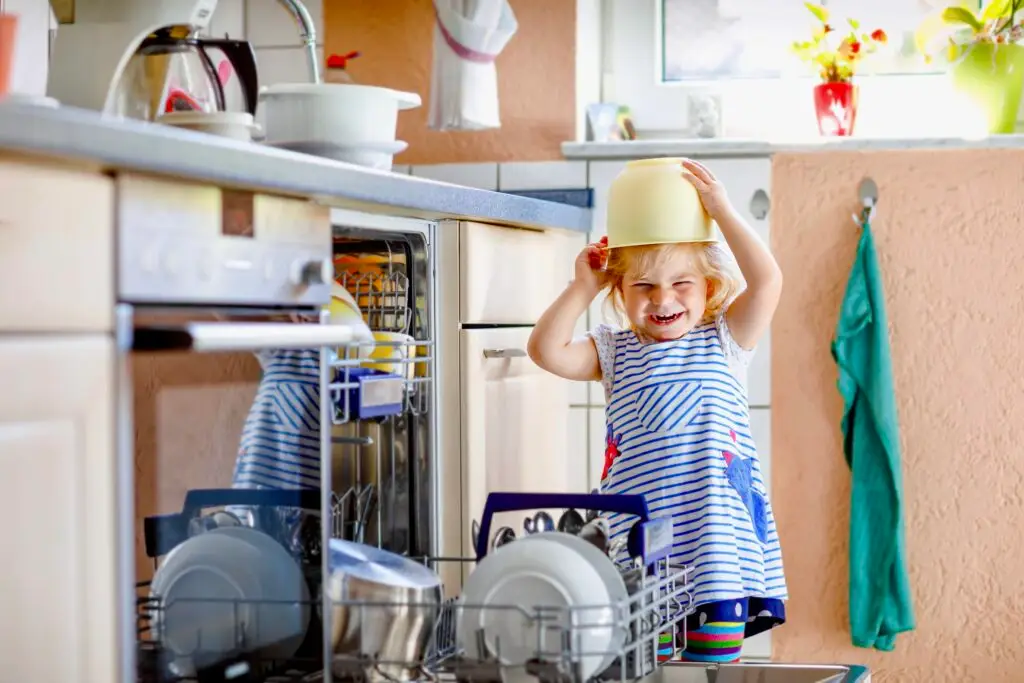

Modern parenting is a tough balancing act, baby proofing shouldn’t make it harder
Parents are surrounded by a constant flood of advice, baby proofing checklists, smart devices, and seemingly perfect families. Add in the low-grade guilt of wondering if you’re doing too much, not enough, or just the wrong things entirely—and it’s a lot. Work-life balance feels like a moving target, the laundry is never done, and toddlers have energy levels that could power a small city.
So it’s not surprising that baby proofing is where things start to feel overwhelming.
You’re suddenly responsible for identifying risks you’ve never had to think about before, and the internet is full of checklists, product lists, and conflicting advice—most of which don’t actually tell you what matters for your home. You end up in the same place most parents do: unsure where to start, worried about missing something important, and stuck trying to make sense of it all.
Why baby proofing feels overwhelming
Toddlers may be all sweet smiles and wobbly steps, but they’re also relentless. They’re testing limits, exploring everything, and finding risk in places you didn’t even know existed. Charging cords become toys. Staircases become challenges. Cabinets become targets. The issue isn’t that baby proofing itself is complicated—it’s that most of the guidance around it is.
You’re usually dealing with:
-
- Long, generic checklists that don’t prioritize anything
-
- Product recommendations without context
-
- Advice based on one home, not real-world variation
None of that helps you figure out what actually matters in your space.
Where to start baby proofing
Instead of trying to do everything at once, start with what actually creates risk.
1. Focus on movement based risks first
Once your child starts crawling, pulling up, and exploring, the biggest risks are:
-
- Falls on staircases
-
- Injury from low, sharp corners
-
- Unrestricted access to unsafe areas
Start here. These are the issues that matter most early on.
2. Prioritize the spaces you use every day
You don’t need to baby proof your entire home immediately. Start with:
-
- Living room
-
- Kitchen
-
- Nursery
These are the areas where your child will spend the most time—and where problems show up first.
3. Look for real hazards, not theoretical ones
Not every risk is equally important. A sharp corner in a rarely used room is not the same as:
-
- Unsecured furniture
-
- Accessible cabinets with hazardous items
-
- An unprotected staircase
Focus on what can actually cause harm in your home—not what shows up on a generic list.
A simple baby proofing checklist
If you want a clear place to start, focus on these fundamentals:
-
- Secure stairs and install appropriate gates
-
- Anchor furniture that could tip
-
- Lock cabinets with hazardous contents
-
- Address accessible cords and window risks
-
- Add protection where falls or impact are likely
This isn’t everything—it’s what actually matters first.
What most baby proofing checklists get wrong
Most checklists are designed to be comprehensive, not useful. They tend to:
-
- Treat every home the same
-
- Over-rely on temporary or adhesive solutions
-
- Ignore how people actually live in their space
The result is usually over-buying, over-installing, or doing things twice.
A better way to approach baby proofing
Child safety works best when it’s treated as a system, that’s not something you can get find in a baby proofing checklist. That means:
-
- Understanding how your home functions
-
- Identifying risks in context
-
- Choosing solutions that are durable and appropriate
Not everything needs to be done at once—but what you do should be done correctly.
What this means for you
When you approach baby proofing this way:
-
- You avoid unnecessary products
-
- You reduce trial and error
-
- You get solutions that actually hold up over time
Instead of guessing, you’re working from a plan that makes sense for your home. After more than a decade working inside real homes, one thing is clear: it doesn’t have to feel chaotic.
Enter modern baby proofing
Modern baby proofing isn’t about wrapping your home in padding or building barriers around your child. It’s about adapting your environment so you can step away for a moment, grab a glass of water, and let your child explore without immediately imagining a trip to the emergency room.
It’s a system. It’s a strategy. And when done correctly, it makes this phase of life noticeably less stressful. We can’t change how toddlers behave—but we can change how your home supports them.
Safe Start exists to take the guesswork out of baby proofing, so you can get back to living in your home—not managing it. A virtual baby proofing consultation gives you a clear, personalized plan based on your home. Schedule a Virtual Safety Session today.